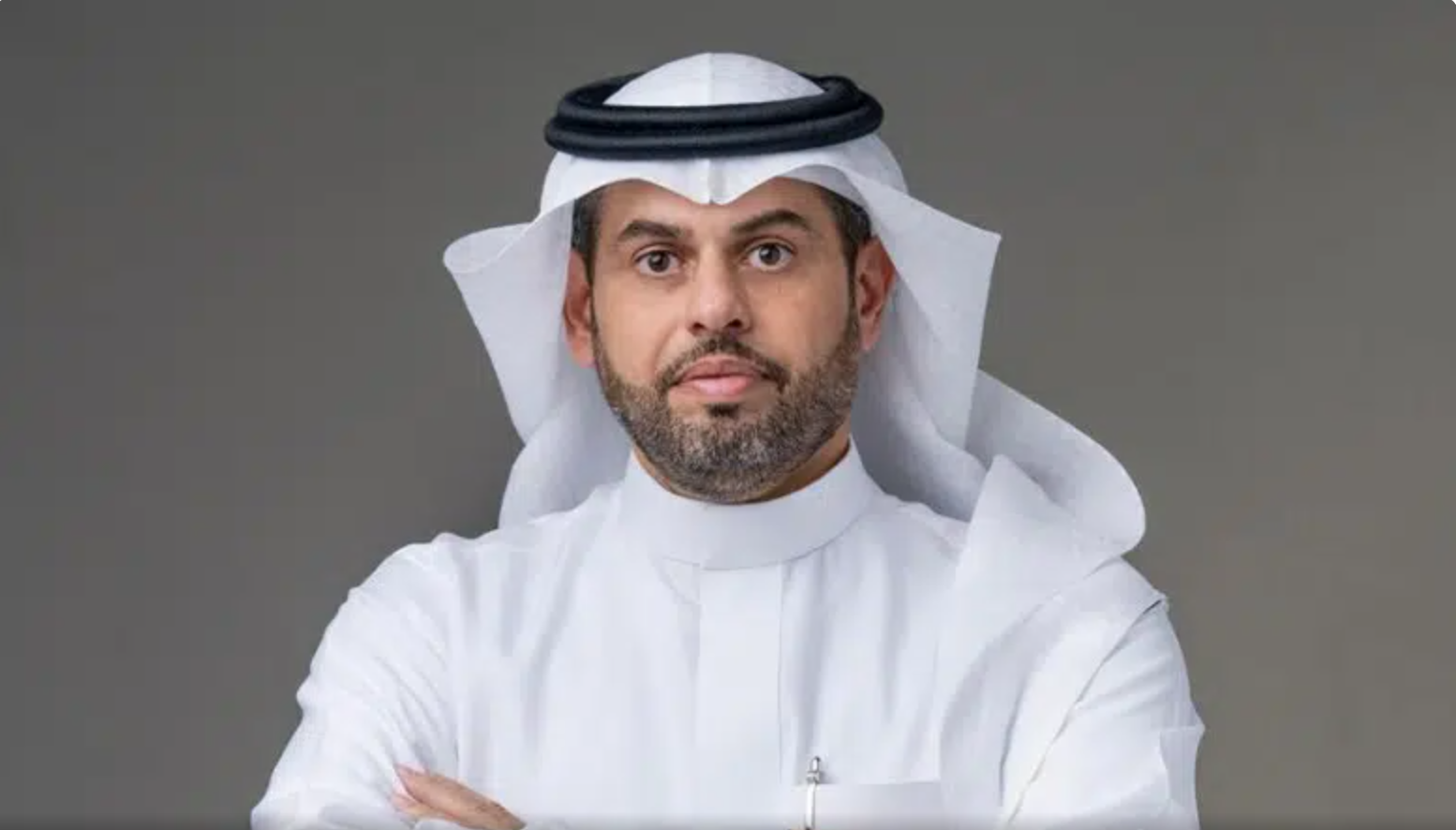
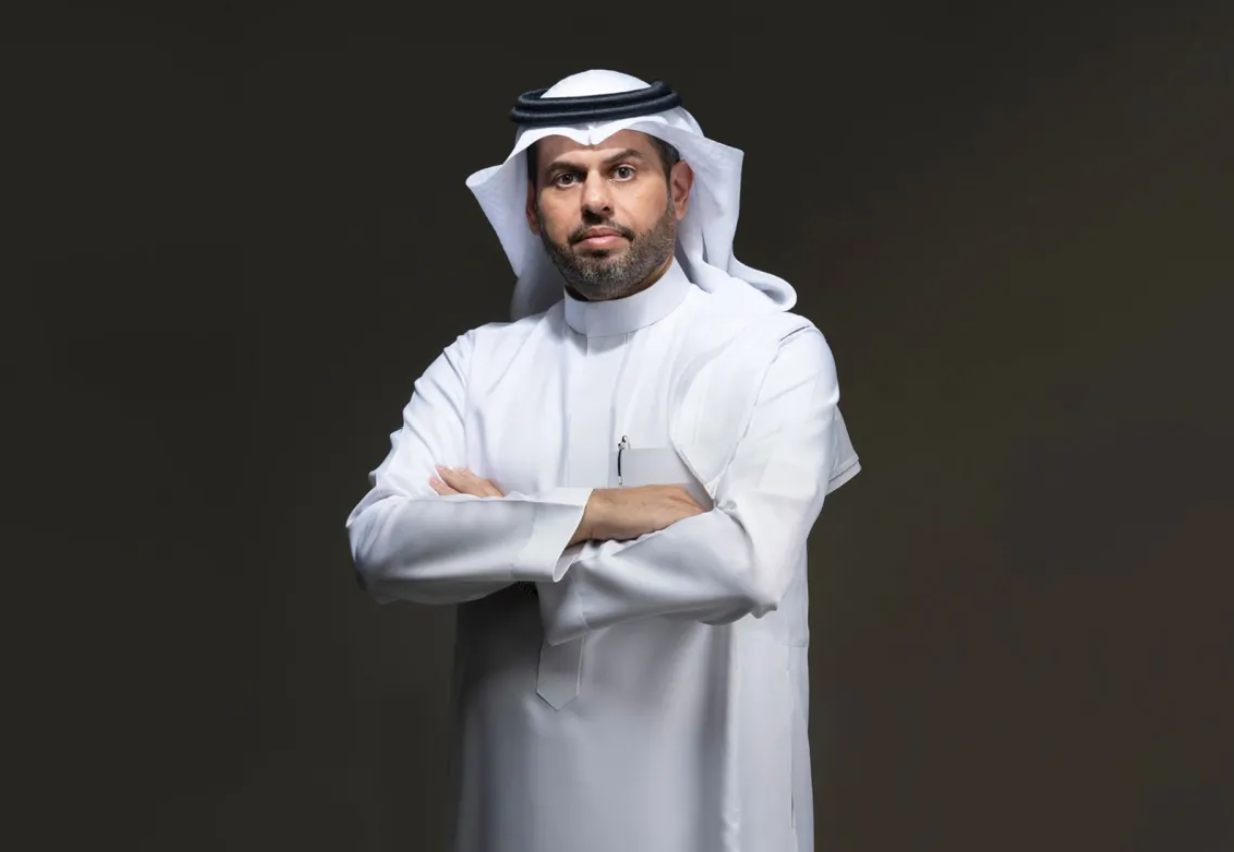
After eight years in banking, Fadi Al Awami left to build businesses of his own — then turned that experience into a consulting practice. Today, he runs The Consultation Center, advising startup founders and fintech ventures, and has consulted for the World Bank on SME projects in cooperation with Monsha’at.
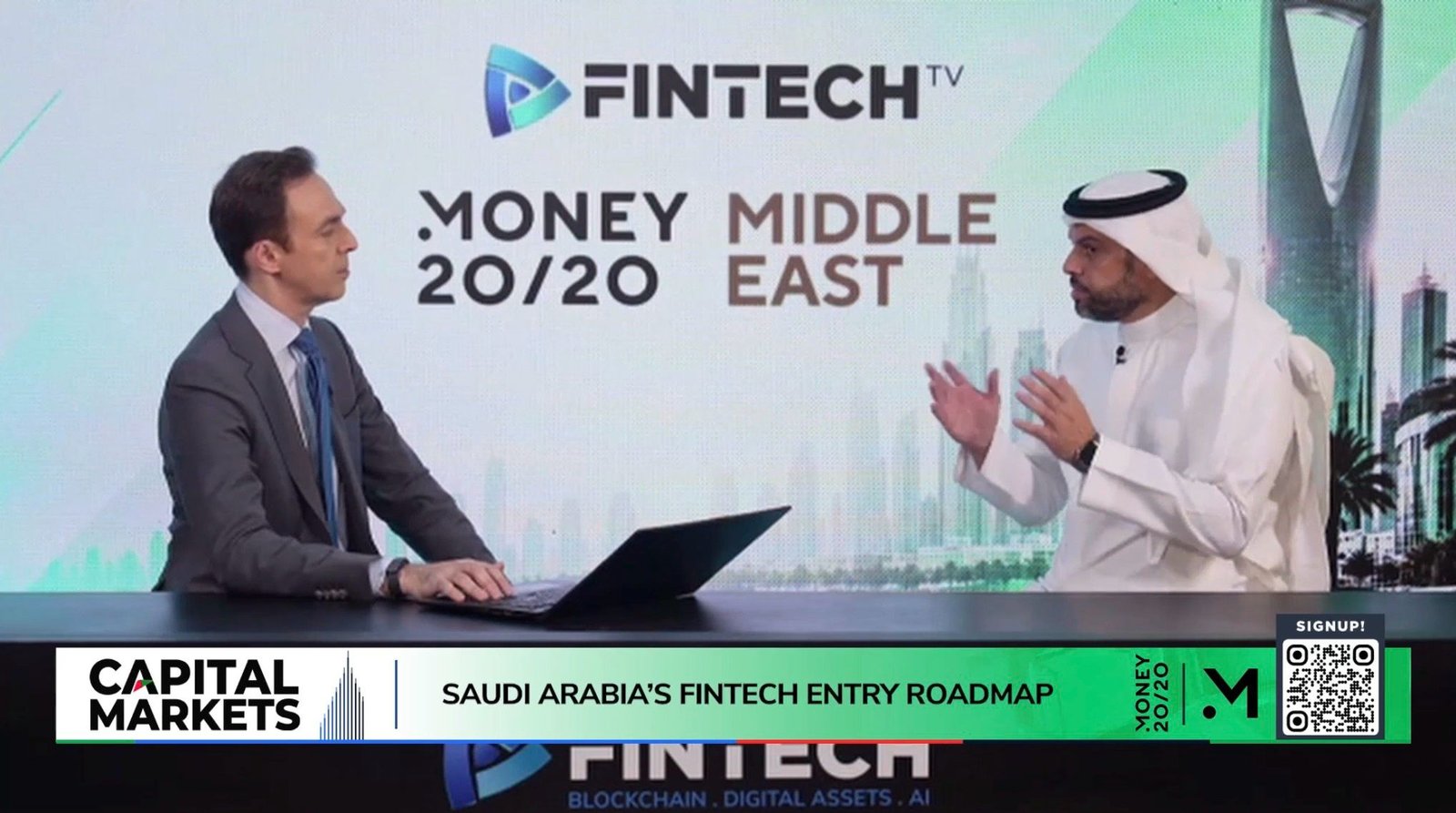
In our My Morning Routine interview this week, we sat down with Fadi Al Awami (LinkedIn), founder of The Consultation Center, to discuss his move from banking to advisory, what sets the Saudi fintech market apart, and why he starts every day slowly. Edited excerpts from our conversation:
Enterprise: How did your journey begin, and what drew you to entrepreneurship?
Fadi Al Awami (FA): My journey began after eight years of experience in the banking sector. During my final years there, I was responsible for SME financing accounts, which gave me the chance to work closely with business owners. I became interested in experiencing entrepreneurship firsthand, so I established several family businesses that helped me gain a deeper understanding of the challenges and opportunities involved in running a business from multiple perspectives, not just financing.
At the time, the concept of entrepreneurship was not yet widely recognized. As government entities began showing greater interest in supporting entrepreneurship and innovation, and as more young people turned to launching ventures, I became interested in leveraging my experience to provide consulting and advisory services. I worked directly with startup founders and collaborated with organizations active in the sector, including the World Bank, as well as projects in AlUla aimed at supporting the entrepreneurship ecosystem.
E: How did The Consultation Center come about?
FA: After leaving banking, I began receiving calls requesting financing-related advice, which had been at the core of my work in my final years there. That encouraged me to establish The Consultation Center and formally provide consulting services. As I gained more experience building and managing startups, I expanded into other areas, including advisory work in the fintech sector.
The biggest transition was undoubtedly the shift from being an employee to entering the world of private businesses and, later, consulting. The journey may appear smooth, but it was filled with challenges that gave me a very different set of experiences from those I gained as an employee.
E: What sets the Saudi market apart when it comes to fintech?
FA: The most distinctive feature is the regulatory framework and the strong interest shown by government entities, both legislative and regulatory. There has been a concerted effort to remove obstacles while protecting the financial sector and diversifying the services fintech can offer. The other factor is the size of the market and the high share of citizens and residents using electronic banking services.
E: What’s the biggest gap SMEs still face in accessing financing?
FA: In my personal view, there is no financing gap, largely because of government support through entities such as the SME Bank and the Kafalah program, both of which aim to remove financing obstacles. What remains challenging is the requirements imposed by financing institutions. These are often extremely demanding, or they don’t align with the actual needs of SMEs, particularly during the growth stage.
E: To what extent has fintech changed the SME financing equation in Saudi Arabia?
FA: Fintech companies have given SMEs relatively fast and accessible financing alternatives. But it is still too early to say they’ve become genuine competitors to banks. It would be more accurate to describe them as complementary to banks in serving the SME segment. Saudi Arabia has seen rapid growth in the number of fintech companies, and the market is large enough to absorb more — provided they genuinely offer new solutions or complement the banking sector. We’ve also seen some business models exit, but that shouldn’t necessarily be read as a negative. That’s simply how markets work: There are winners and losers.
E: Which fintech business model is most sustainable in Saudi today?
FA: Based on my view of the market, lending and financial infrastructure ventures have greater prospects for success, given the market’s needs and the fact that these areas are not yet saturated. Although there are many lending companies, there are still opportunities for growth and for new players to enter the market. As for investment services, their success ultimately depends on the success of the investment opportunities offered by these companies.
E: Where do you see the biggest prospects still ahead for the Saudi financial sector?
FA: The sector as a whole has undergone significant technological and digital development, but some activities still offer more room than others. Trade finance, for example, hasn’t yet seen many innovative solutions, and ins. is another area within the broader financial sector that could offer further opportunities for digital transformation. Looking further out, the move toward regulating digital currencies and digital assets could be the major transformation the sector is awaiting.
E: Walk us through a typical day for you.
FA: I always make sure my day begins calmly without work-related pressure — it helps me stay focused throughout the day. I also make a point of starting early to boost productivity. Personal life is a major priority, especially family, so I try to keep my schedule as flexible as possible and avoid unnecessary meetings. I also leave room for the unexpected, whether that’s a new opportunity or a problem that needs dedicated time and effort.
Al Awami’s recommendations
What he follows: I don’t follow any particular podcast — for me, the content and subject matter are what matter most. I’m particularly drawn to broader topics around skills, work ethics, and how to leave a positive impact, whether in the workplace or in society.
A piece of advice that stuck: A saying attributed to Ali ibn Abi Talib: “Do not feel alienated from the path of truth because few people walk it.” In the business world, many improper practices have become normalized and accepted by many people. Influenced by this saying, I’ve made a conscious effort to stay away from them — and thankfully, that has had a real positive impact on my career.
Link of the article: My Morning Routine: Fadi Al Awami, founder of The Consultation Center – KSA